

What is a Composite Filling?
Our dental health is at the very core of our lives, even if we don’t realize it. Whether we’re sipping our morning coffee, snacking during the day, chatting while working, or simply sharing a heartfelt smile… Our teeth are working with us in all these moments. It’s perfectly natural for such a actively used structure to be bothered by even the slightest problem. Sometimes a tiny cavity, sometimes even a tiny fracture, can affect both our appearance and our daily comfort.
It offers a truly life-saving solution, offering a look as close to the natural tooth structure as possible and quickly restoring functionality. It’s one of the most frequently preferred methods in modern dentistry, eliminating aesthetic concerns while allowing you to chew, speak, and smile healthily.
If you’ve recently experienced sensitivity, a change in appearance, or discomfort while eating, a composite filling may be just the solution you’re looking for.
So, what is the definition of a composite filling?
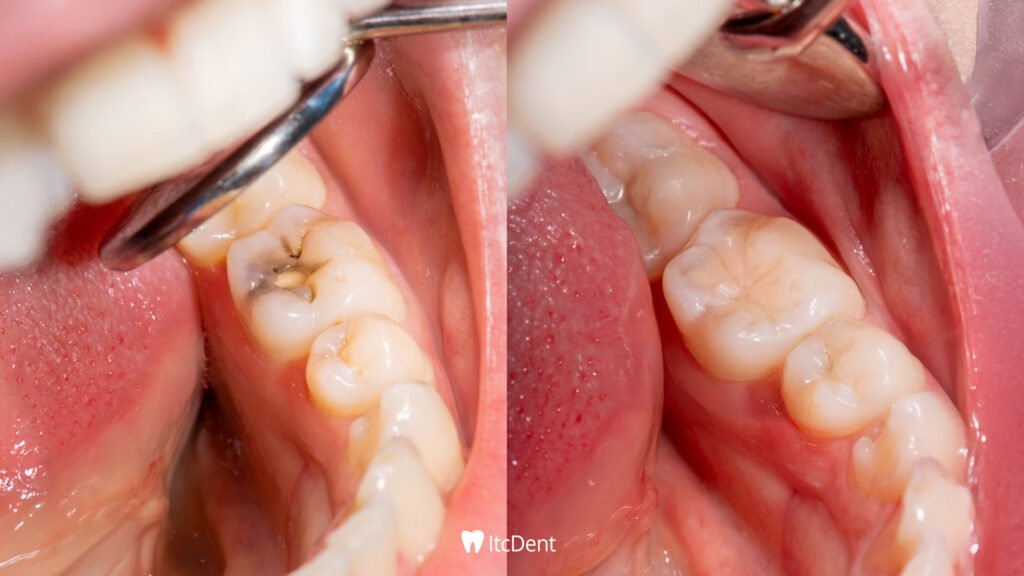
The “white filling,” as we often hear it in our daily lives, is a modern and aesthetic type of filling that can match the natural color of the tooth. It’s made of a special resin-based material that not only adheres to the tooth surface but also integrates with it. This bond provides a strong hold and makes the filling indistinguishable from the natural tooth.
In the past, gray, metal-like amalgam fillings were more commonly used. However, today, due to increased aesthetic expectations and the shift towards healthier materials, these fillings have become much more popular. The most popular aspect of composite fillings is quite simple: no one will notice you have a filling. Because it’s the same color as your teeth, it doesn’t create a distracting appearance when smiling or speaking; everything looks completely natural.
In What Situations Are Composite Fillings Preferred?
Composite fillings are a highly practical and versatile treatment method used in many more areas than we might think. They are frequently used not only to cover cavities but also to improve the aesthetic appearance of teeth. For example:
- Filling gaps that remain after decay has been removed
- Repairing small fractures in the frontal area
- Closing undesirable spaces between teeth (diastema)
- Correcting the form and shape of a smile to enhance its aesthetic appeal
- Repairing minor cracks, abrasions, or surface irregularities
- Replacing old and unsightly fillings
In other words, composite fillings are not just a “filling material”; they are also a procedure that makes a smile look more uniform, more aesthetically pleasing, and more natural. Many people think that aesthetic dentistry requires more extensive procedures like veneers, but in many cases, composite fillings can achieve faster, more economical, and highly successful results.
How is a Composite Filling Done?
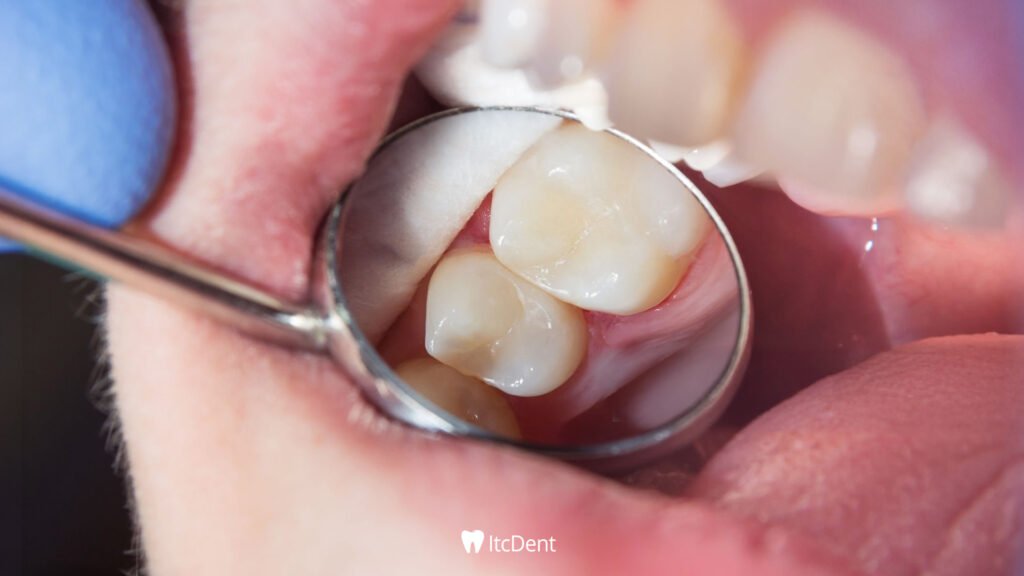
A composite filling is a very comfortable and quick process; it’s often completed in a single appointment. First, the tooth is thoroughly examined, and the extent of the decay or the condition of the fracture is assessed. If necessary, local anesthesia is administered to minimize pain during the procedure.
Then, the decay is removed or the fractured area is gently prepared, leaving the healthy tooth tissue intact as much as possible. The composite material is then placed on the tooth in thin layers, each layer hardened with LED light to create a durable structure.
Once the filling is complete, it is shaped and polished to match the tooth’s natural shape, achieving a smooth and aesthetically pleasing appearance. This entire process typically takes 20–40 minutes, but may take longer for larger or more detailed applications.
Advantages of Composite Fillings
There are many reasons why composite fillings have become so popular in recent years; the most important is that they perfectly match the tooth color, providing an extremely natural appearance. The filling is unnoticeable when speaking or smiling, and because it contains no metal, there is a low risk of allergies and no harmful substances are released into the body.
It is also a highly conservative procedure that does not require extensive dental intervention and is often easily completed in a single visit. It is a versatile solution, being used not only for decay treatment but also for procedures such as fracture repair, gap closure, and aesthetic correction. When applied correctly, it can be safely used for years, maintaining its durability.
How Long Does a Composite Filling Last?
While the lifespan of a composite filling varies from person to person, it’s generally safe to say it can last up to 5–7 years, or up to 10 years with good oral care. Certain habits play a significant role in shortening or lengthening this lifespan. Crushing hard foods with your teeth, clenching or grinding your teeth, consuming excessively colored beverages like tea and coffee, or neglecting oral hygiene can shorten the lifespan of a filling.
Similarly, the quality of the material used and the dentist’s application technique also play a role in its durability. In short, as long as you follow your dentist’s recommendations and maintain your daily care, your composite filling will continue to provide reliable service for many years.
Who Can Get Composite Fillings?
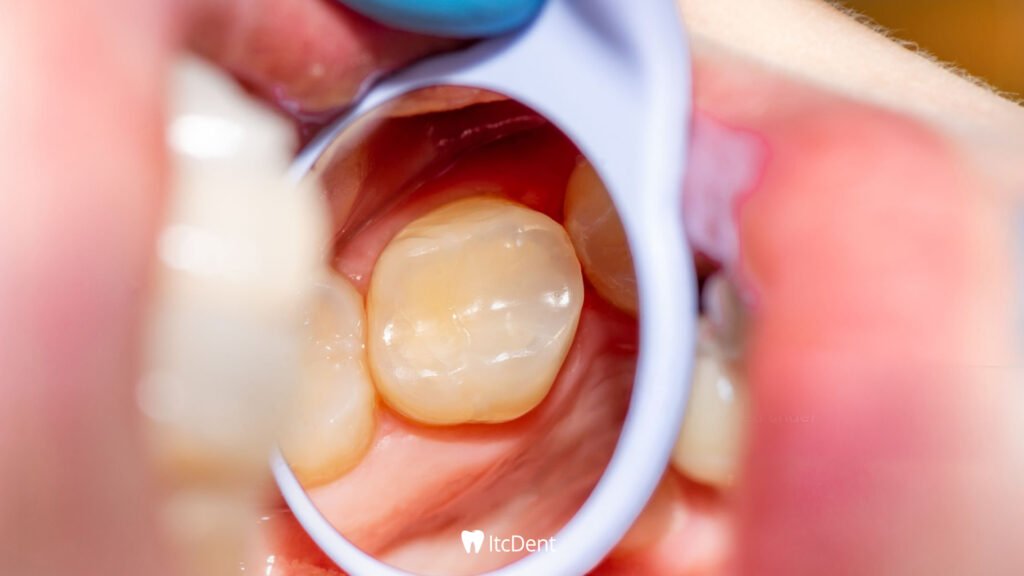
Composite fillings are not only a treatment method but also a highly aesthetic procedure. They are frequently used for repairing fractures in front teeth, closing gaps between teeth, slightly lengthening teeth, or restoring a more uniform appearance. They offer excellent results for those who desire a natural smile.
Many people even choose composite bonding as part of their aesthetic smile design. However, as with any procedure, there are some exceptions. In cases where the tooth structure is very weak, there is significant material loss, or there is a high risk of fracture, more durable solutions such as veneers may be recommended instead of composite fillings. Therefore, your dentist will evaluate your tooth condition and determine the best option for you.