
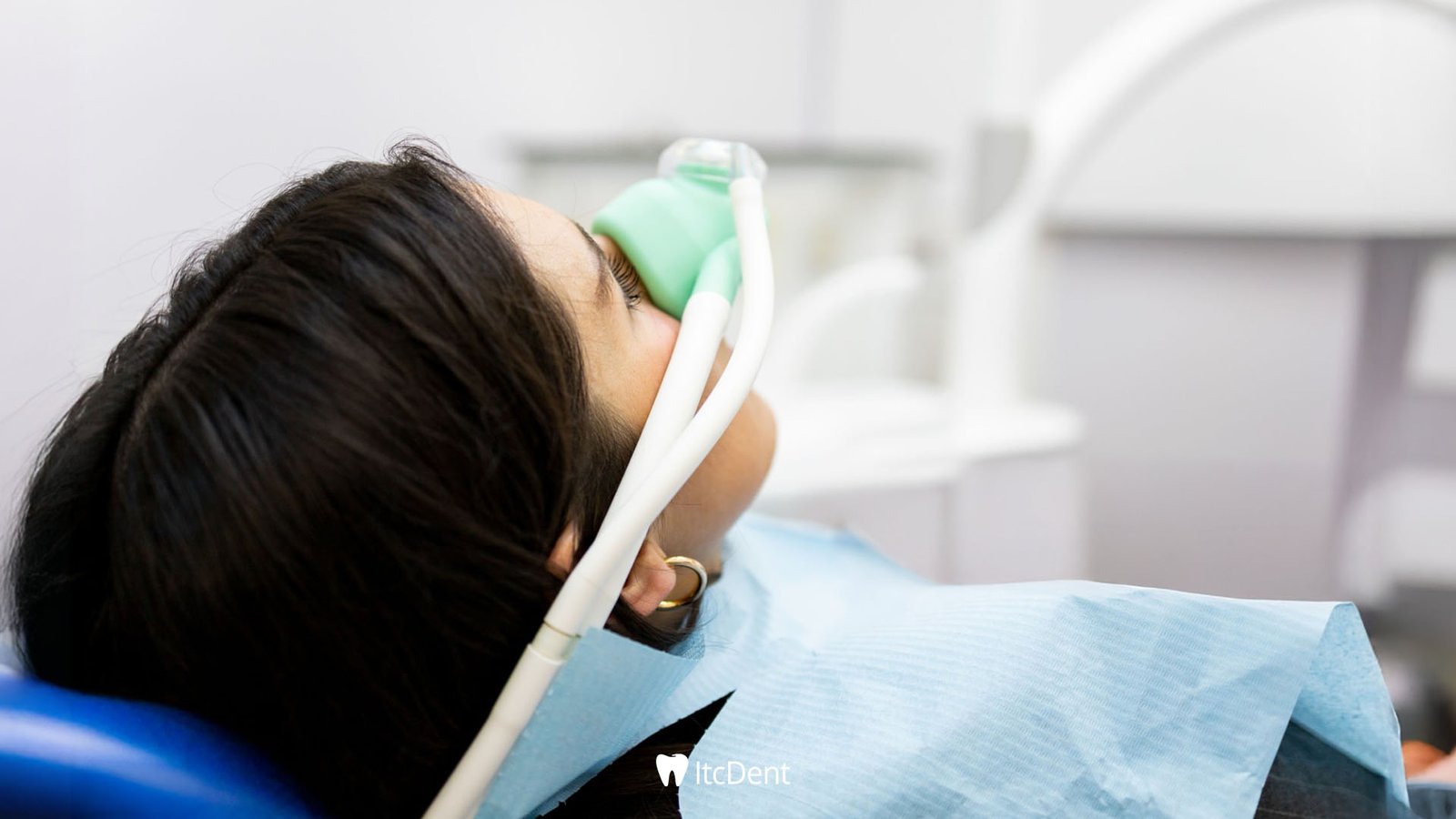
Sedation Dentistry
The dental chair… For some, it’s a routine stop once a year, something you casually say “let’s get a cleaning while we’re here” and move on. For others, it’s a serious source of stress that speeds up the heartbeat, makes palms sweat, and causes stomach cramps as the appointment day approaches. For many people, dental treatment is not just a physical procedure, but an emotional challenge intertwined with past memories, fears, and the feeling of losing control.
A negative childhood experience, a sudden pain, a harsh sound, or an insensitive approach… Sometimes a single moment is enough to create a dental fear that lasts for years. For those who are afraid of needles, have a strong gag reflex, struggle to keep their mouth open for long periods, or simply dislike the idea of “lying there without any control,” dental treatment becomes something to postpone. Months — even years — can pass with thoughts like “I can manage a bit longer” or “maybe the pain will go away.”
However, every postponed treatment often brings bigger problems with it. A small cavity grows, a simple procedure turns into a more complex one, and the fear becomes even more deeply rooted. In reality, people are often not afraid of the dentist, but of the pain they expect, the anxiety, and the time spent in that chair. It’s important to accept this: dental fear is not something to be ashamed of. On the contrary, it is a very common and human feeling.
What Is Sedation Dentistry?
Sedation dentistry is a special approach designed to eliminate fear, anxiety, and stress during dental treatment, allowing patients to go through the procedure with little to no awareness of what’s happening. Depending on the treatment, the patient may be fully asleep or kept in a relaxed, semi-conscious state. The most important point is this: the patient does not feel pain, fear, or mental strain during the procedure.
This treatment is always performed under the supervision of an anesthesiologist. Throughout the procedure, vital signs such as heart rate, breathing, and oxygen levels are continuously monitored. In other words, the process is carefully planned with both comfort and safety in mind. The goal is not only to treat the teeth, but also to ensure that the patient feels safe and at ease.

The word “sedation” often makes people think of complete unconsciousness or deep surgical anesthesia. However, this is not always the case. Sedation dentistry has different levels. Some patients are in a deep sleep, while others are semi-awake; they may hear sounds but feel no discomfort, lose their sense of time, and remember almost nothing after the procedure. For most people, it feels like briefly closing their eyes.
The type of sedation used is determined individually. The patient’s overall health, age, existing medical conditions, and the scope and duration of the dental procedures all play a role in this decision. Sometimes it’s preferred because multiple treatments will be completed in a single session; other times, it offers great relief for patients with intense dental anxiety.
Who Can Have Sedation Dentistry?
Sedation dentistry is not applied to everyone in the same way; however, when used for the right patient under the right conditions, it offers an extremely comfortable and effective solution. Especially for situations where sitting in the dental chair feels almost impossible, this method can be a true lifesaver.
One of the most common groups who prefer this method are people with severe dental anxiety. Patients who feel stressed even before making an appointment, whose hearts race when entering the clinic, or who have had bad experiences in the past often find great relief with sedation dentistry. For them, the issue is not only pain, but also sounds, smells, loss of control, and waiting time. Sedation removes all these concerns.
Patients with a strong gag reflex also benefit greatly from this approach. If even the simplest oral procedures trigger this reflex, treatment can be very challenging for both the patient and the dentist. With sedation, this reflex is suppressed and procedures can be completed much more comfortably.
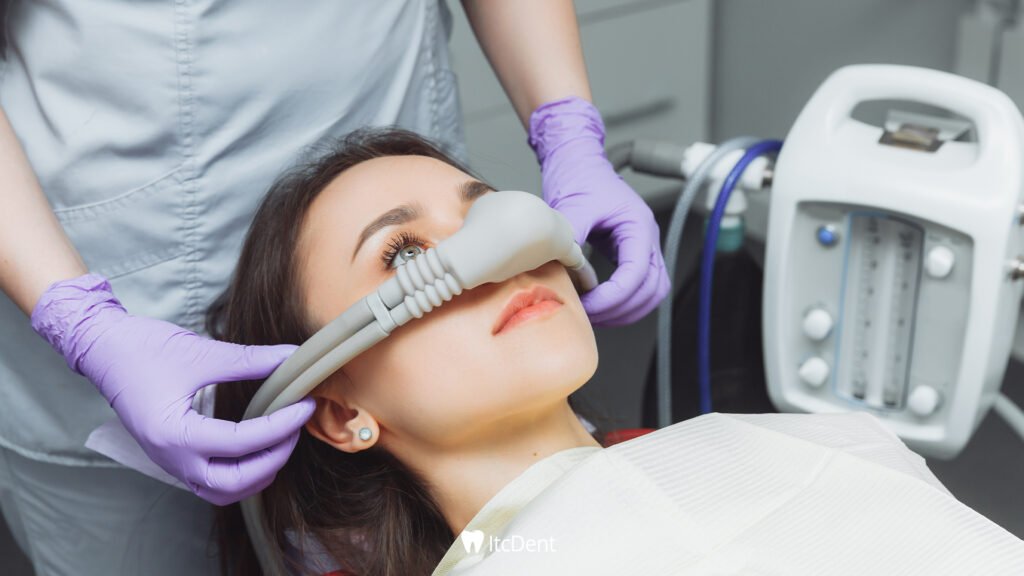
Sedation dentistry is also an ideal option for patients who need long and comprehensive treatments. If multiple procedures such as implants, root canal treatments, or surgical interventions are planned for the same session, sedation dentistry saves time and prevents patient exhaustion. The patient comes in for a single appointment, the treatment is completed, and they remember almost nothing about the process.
Children may also be suitable for this method in certain cases. Especially for children who are unable to cooperate, experience intense fear, or require lengthy treatments, sedation dentistry helps prevent trauma and ensures the treatment is completed safely. The same applies to individuals with special needs, where a calm and secure treatment process is essential.
What Does the Patient Feel During Treatment?
This is the question patients ask most often: “Do I really feel nothing at all?”
The answer, in most cases, is: Yes, you don’t feel anything.
Shortly after the medication is administered, the patient enters a sleep-like state. During this time, sensations such as pain, sound, or smell are not perceived. When the treatment is completed, the patient either wakes up gently or opens their eyes without even realizing the procedure has ended.
Many patients describe the experience as, “I closed my eyes, opened them, and it was over.”
What Happens After Waking Up?
After the treatment, patients are usually allowed to rest for a short period. There may be a mild feeling of grogginess, but this is temporary. Driving on the same day is not recommended, and patients are advised to have a companion with them.
When it comes to pain, most patients are surprisingly comfortable. Because the procedures are performed with proper anesthesia support, the body goes through a calmer recovery process.
Sedation Dentistry in Istanbul
Living in a large and busy city like Istanbul makes it just as important to have a stress-free and safe dental treatment experience as it is to find the time for it. Especially for patients with dental anxiety, negative past experiences, or long treatment plans, conventional methods may not always be sufficient.
Many patients who choose sedation dentistry in Istanbul are able to finally address dental problems they have postponed for years. Long or multiple procedures can be completed in a single session, almost without the patient noticing. This is a major advantage, especially for those with busy work schedules.
ITCDENT believes in personalized planning rather than a one-size-fits-all approach to sedation dentistry. The patient’s needs, expectations, and overall health are carefully evaluated to determine the most appropriate method. This ensures a treatment process that is both safe and as comfortable as possible for the patient.