How Long Does a Dental Filling Last?
Dental filling… For many of us, it is one of the most familiar procedures associated with a dental appointment. When a cavity is detected, a tooth breaks, or a surface becomes worn over time, a filling is usually the first solution that comes to mind. Because it can be completed in a short time, helps protect the tooth without extraction, and allows a quick return to daily life, dental fillings have been safely used for many years.
However, once the treatment is finished and you leave the dental chair, a new question often arises: “How long will this filling last?” Some people use the same filling for many years without any issues, while others find themselves back at the dentist within a few years. What affects the lifespan of a filling, and why some last longer than others, naturally becomes a point of curiosity.
In fact, a dental filling is not a procedure that can be described as “done and over.” The material used, the position of the tooth in the mouth, chewing habits, oral hygiene, and even small everyday habits we may not notice can directly affect the durability of a filling. In this article, we will take a closer look at how long dental fillings can last, which factors shorten or extend their lifespan, and what to pay attention to after getting a filling.
What Is a Dental Filling and Why Is It Done?
A dental filling is a treatment in which decayed or damaged tooth tissue is carefully removed and the resulting space is filled with a special material that is compatible with the tooth. However, this procedure is not simply about “filling a hole,” as is often thought. The main goal is to restore the damaged tooth to a healthy structure and to prevent the natural balance in the mouth from being disrupted. With a filling placed at the right time, the tooth can continue to function properly during chewing, and the progression of decay into deeper tissues can be prevented.
At the same time, a filling plays an important role in relieving pain and sensitivity in the tooth. Sensitivity triggered by hot, cold, or sweet foods is largely reduced after the procedure. In this sense, a dental filling is a small but very valuable intervention that both improves daily comfort and helps preserve the tooth without resorting to extraction. When done at the right time, it supports the natural structure and function of the tooth for many years.
How Long Does a Dental Filling Last?
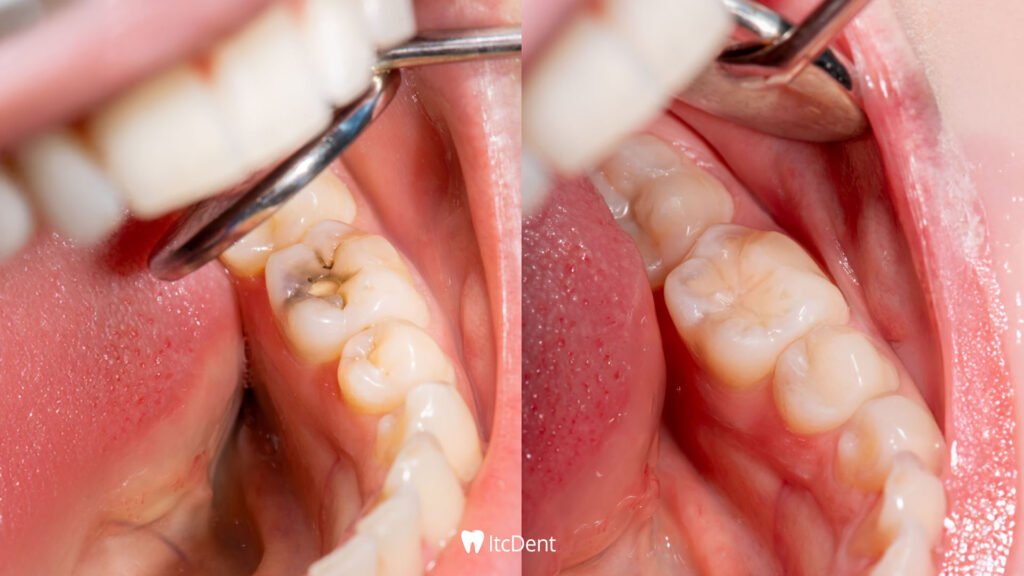
Generally speaking, the lifespan of dental fillings ranges between 5 and 15 years for most people. However, these numbers are not the same for everyone. The material used, whether the filling is on a front or back tooth, and even individual chewing habits can influence how long a filling lasts. In people who maintain good oral hygiene and do not skip regular check-ups, fillings can function smoothly for many years.
Some patients can comfortably use a single filling for nearly 20 years, while others may need a replacement within just a few years. This situation is often described as “the filling fell out,” but in most cases, the real issue is new decay developing underneath the filling or leakage forming along its edges over time. In other words, the problem is usually not the filling itself, but the loss of harmony between the tooth and the filling. For this reason, regular dental check-ups are one of the most important keys to extending the life of fillings.
Durability Periods by Filling Type
How long a dental filling lasts largely depends on the material used. Each filling type is chosen based on different needs and different areas of the mouth. Therefore, there is no single answer to the question “Which filling lasts the longest?” What truly matters is choosing the right filling for the right tooth.
Composite fillings, commonly known as white fillings, are especially popular in areas where aesthetics are important because they closely match the natural tooth color. They work very well on front teeth or in areas exposed to less chewing pressure. On average, they last between 5 and 8 years. Over time, however, they may discolor and wear down when frequently exposed to hard foods. Still, their natural appearance keeps them as a top choice for many people.
Amalgam fillings, on the other hand, are often the first option that comes to mind when durability is the priority. Although they are not aesthetically pleasing due to their silver color, they can serve reliably for many years, especially on back teeth. In areas exposed to strong chewing forces, they are known to last 10 to 15 years, and sometimes even longer. For this reason, they are still preferred when strength matters more than appearance.
Porcelain fillings, also known as inlay and onlay restorations, are more advanced options that combine both aesthetics and durability. Because they are custom-made in a laboratory, they fit the tooth extremely well. With proper care and regular check-ups, they can be used comfortably for 10 to 20 years. Their close resemblance to natural tooth structure makes them especially appealing.
Glass ionomer fillings are generally used as supportive or temporary solutions rather than long-term ones. They are often preferred for children’s teeth or in situations where the risk of decay is high. Their average lifespan is around 3 to 5 years. One of their biggest advantages is that they release fluoride, helping protect the tooth against decay for a period of time. In certain cases, this makes them a very useful option.
Factors That Affect the Lifespan of a Filling
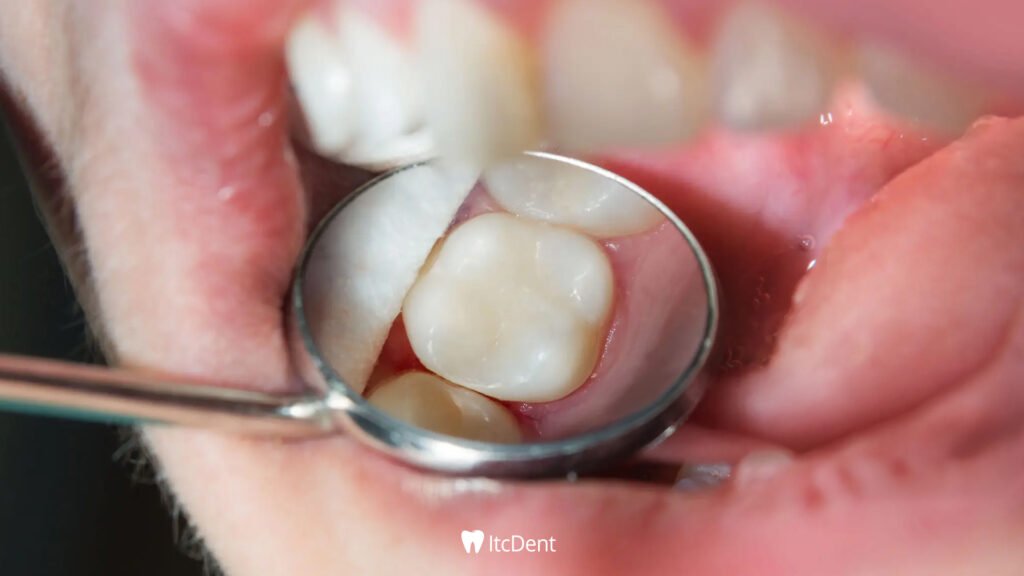
The longevity of a dental filling is not determined solely by the material used. The position of the tooth plays an important role as well. Back teeth, in particular, are exposed to much more pressure during chewing, which can cause fillings in these areas to wear out faster over time. In addition, the size of the cavity matters; the larger the area being filled, the higher the risk of cracking or leakage.
Oral hygiene habits are among the most important factors that extend the life of fillings. Regular brushing, flossing, and the use of oral care products significantly reduce the risk of new decay forming around the filling. Habits such as teeth grinding or clenching can also place excessive pressure on fillings without you even realizing it, leading to cracks. Diet is another key factor—hard-shelled foods, chewing ice, or frequent consumption of sugary foods can all cause damage to fillings over time. When all these factors come together, it becomes clear why the lifespan of a filling can vary from person to person.
Does a Filling Need to Be Replaced?
Even though a dental filling is designed to last for many years, it may start to give certain signals over time. If you experience unexplained pain or sensitivity in the filled tooth, notice cracks on the surface of the filling, or see darkening and discoloration along the tooth edges, these are often signs that the filling is no longer functioning properly. Likewise, if dental floss constantly catches or breaks while flossing, it may indicate a problem with the filling margins.
When such signs appear, it is best not to delay with the thought of “it can wait a little longer.” A simple dental check-up can assess the condition of the filling, and if necessary, it can be replaced. In some cases, a more permanent treatment plan may be recommended to better protect the tooth. Early intervention is crucial for preserving both the tooth itself and the surrounding tissues.
What Can Be Done to Extend the Life of a Dental Filling?
The answer is actually quite simple:
-
Brush your teeth at least twice a day
-
Do not neglect flossing
-
Avoid breaking hard foods with your teeth
-
If you have a teeth grinding habit, use a night guard
-
Have a dental check-up every 6 months
These simple habits can extend the life of your filling for many years.