
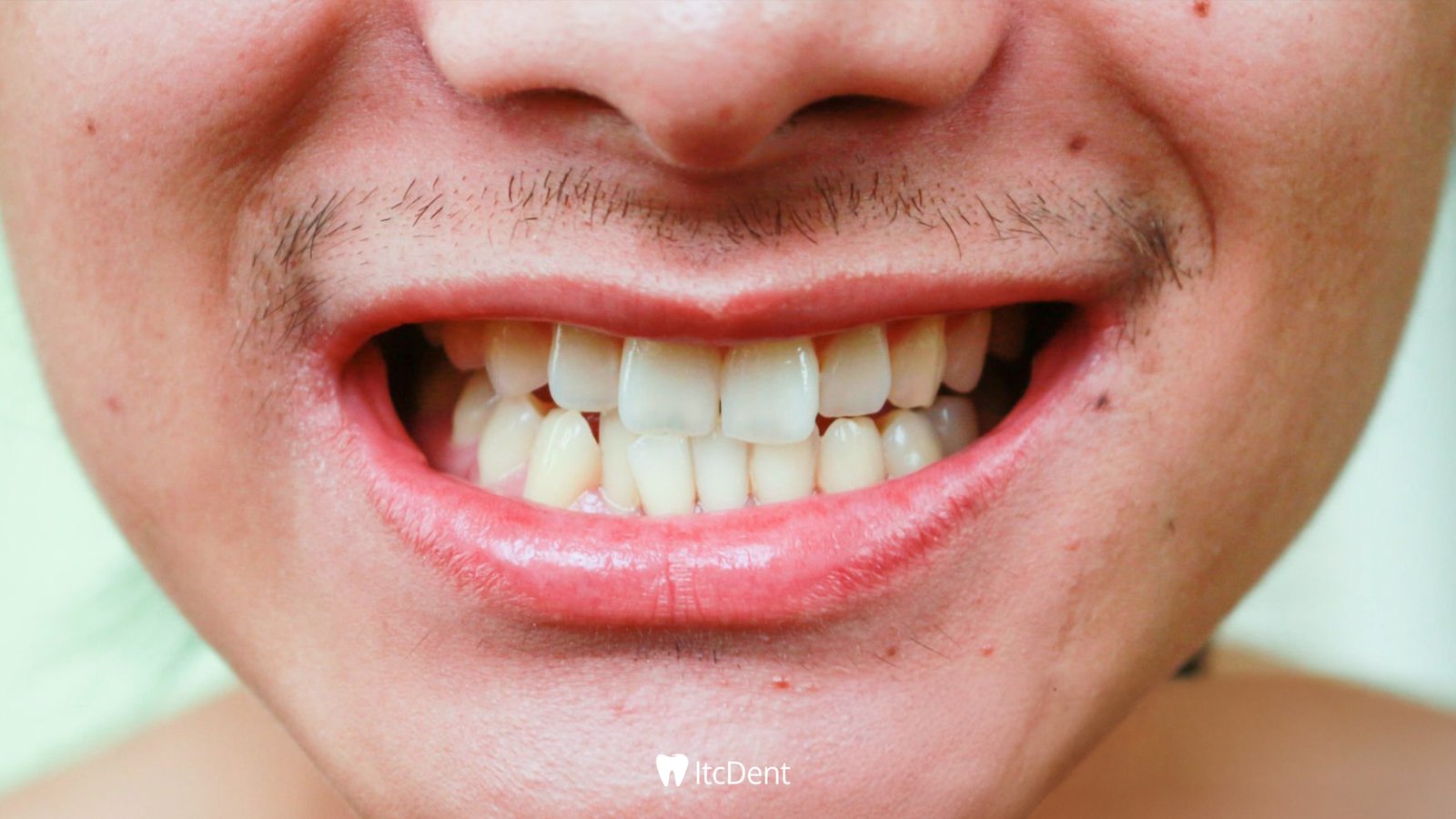
What Is Teeth Clenching (Bruxism)?
Do you ever catch yourself clenching your jaw during the day? Or do you wake up in the morning feeling tension in your jaw joint, a mild but annoying ache in your temples, or sensitivity in your teeth even though you thought you had a peaceful night’s sleep? These may actually be signs of something many people experience but rarely know by name: bruxism… in other words, the habit of clenching or grinding your teeth.
Bruxism is much more common than we think. It can show up during a moment of stress, a busy workday, when we’re deeply focused, or even during sleep. Interestingly, most people never realize they clench their teeth at night. But the morning fatigue, that strange pressure in the jaw, headaches, or tooth sensitivity become the body’s quiet way of saying it has been working all night long.
Sometimes teeth clenching appears as a harmless habit during short stressful periods, but when it continues for a long time, it can become a serious issue that damages tooth enamel, strains the jaw joint, and significantly affects quality of life. That’s why instead of thinking “It will go away on its own,” it’s important to understand why bruxism happens and address it properly.
What Exactly Is Bruxism?
Bruxism simply refers to the act of clenching or grinding your teeth whether you’re aware of it or not. Most of us do it from time to time, but we don’t always know that there’s a name for it. Bruxism usually appears in two different forms:
Awake Bruxism:
Have you ever noticed your jaw tightening when you’re stressed, tense, focused, or completely absorbed in something during the day? This is called awake bruxism. Most people can feel their jaw clenching but still have a hard time stopping it.

Sleep Bruxism:
There’s also another side of bruxism one that happens completely outside our control: sleep bruxism. A person may clench or grind their teeth while asleep, and only notice it the next morning through jaw fatigue, pressure in the temples, or a mild headache. Most of the time, the person is unaware of it; someone sharing the same room usually notices the grinding sound first.
Sleep bruxism is generally more complex and often more damaging than the daytime version. Because it’s linked to certain sleep disorders, a person may unknowingly work their jaw muscles intensely for hours throughout the night. This puts serious pressure on the teeth, muscles, and jaw joint.
What Causes Teeth Clenching?
There isn’t just one cause of teeth clenching; it usually appears when several factors come together. Everyday stress, a fast-paced lifestyle, exam anxiety, or emotional ups and downs can strongly reflect on the jaw muscles. The unconscious clenching that happens during the day often becomes even more noticeable at night, leaving a person feeling exhausted upon waking. The tension caused by stress finds an outlet in the jaw, and that’s when bruxism makes itself known.
Sleep patterns also play a big role. Sleep apnea, frequently interrupted sleep, nightmares, or restless sleep cycles can all cause the jaw muscles to work excessively during the night. Dental misalignment when the teeth don’t fit together properly can also trigger clenching by making it harder for the jaw to rest in a comfortable position. In some people, bruxism has a genetic background; if multiple family members experience it, others in the family may be more prone to it too.
Lifestyle habits can quietly feed bruxism as well. High caffeine intake, alcohol consumption, using tobacco products, or exposure to stimulants can make the jaw muscles more active than normal. Those who consume a lot of stimulants during the day tend to experience more teeth clenching at night. In short, bruxism arises from a combination of emotional, physical, and environmental factors, which is why addressing it properly is so important.
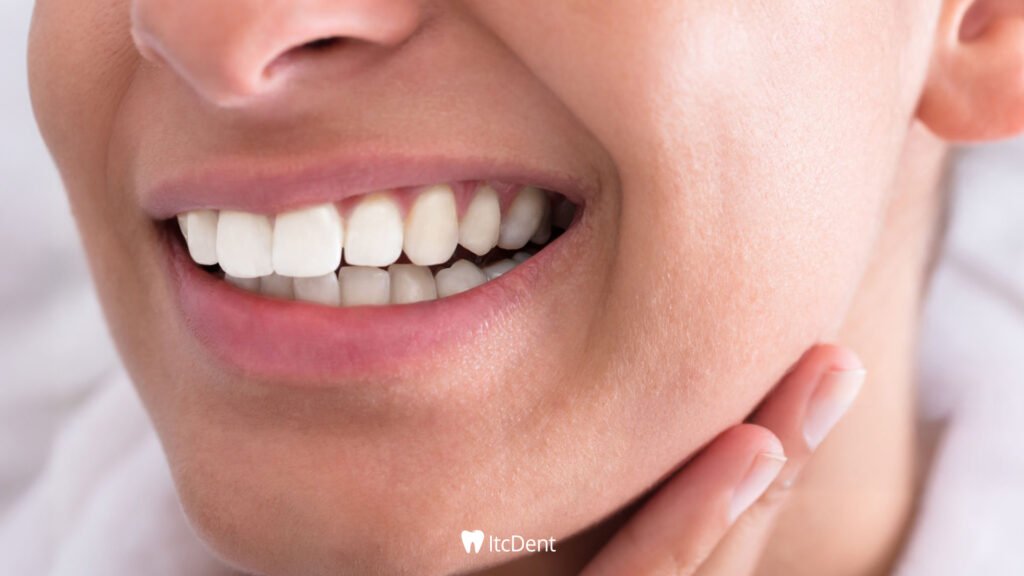
What Are the Symptoms of Bruxism?
Bruxism often progresses quietly. Even if a person doesn’t notice it for a long time, the body sends small but important signals. If you wake up with jaw tension, mild facial muscle soreness, or a tight, pressure-like headache in the temples, these are some of the most common signs of teeth clenching. As the enamel becomes strained, sensitivity to hot and cold, flattening or wearing of the teeth, and visible changes in tooth shape can indicate that bruxism is getting worse. Some people even mistake jaw-related pain for earache because of how closely the jaw joint sits to the ear.
Grinding sounds during sleep are rarely noticed by the person themselves, but someone sleeping nearby can easily hear the clicking or scraping noise. Long-term clenching can cause the chewing muscles to enlarge, giving the face a squarer appearance, which can be both aesthetically and functionally uncomfortable. In short, the symptoms of bruxism are the body’s way of saying, “Something isn’t right,” and paying attention to these signs is key to preventing bigger problems.
How Is Bruxism Treated?
Although the treatment of bruxism varies from person to person, using several methods together generally provides the best results. One of the most common solutions is custom-made night guards prepared by dentists. These appliances protect the teeth from damage and help relax the jaw muscles. Another increasingly popular option is Botox injections, which reduce excessive muscle activity and help ease pain while significantly controlling clenching.
In addition, stress management, regular sleep, and breathing exercises make a big difference, especially in stress-related bruxism. If there is a dental misalignment, orthodontic treatment may be necessary. For daytime clenching, learning to keep the jaw relaxed is essential. In short, controlling bruxism requires both the right treatment methods and greater daily awareness.

What Happens If Bruxism Is Not Treated?
If bruxism is left untreated, it can eventually lead to serious problems not only in the teeth but also in the jaw joint and even facial structure. Constant clenching and grinding can wear down the enamel, increase sensitivity, and even cause cracks or fractures in the teeth. Overworked jaw joints may develop TMJ problems, leading to pain, clicking sounds, or a locking sensation when opening and closing the mouth.
Long-term clenching can enlarge the chewing muscles and create facial asymmetry. Gum recession, increased tooth pain, and sensitivity may also develop. For all these reasons, recognizing bruxism early and starting treatment without delay is crucial for protecting both dental health and overall quality of life.